Practical Paths to a Smooth Window Upgrade From Evaluation to Final Fit
Homeowners and small businesses approach window projects with different goals, yet the fundamentals align: define scope, validate requirements, and plan for clean execution. Before requesting bids, assess usage patterns, sun exposure, and security priorities. Then map these needs to product categories, from energy-focused glass packages to storm-ready assemblies. Establish target timelines with weather and occupancy in mind, and document expectations for finish quality, hardware choices, and disposal of removed materials.
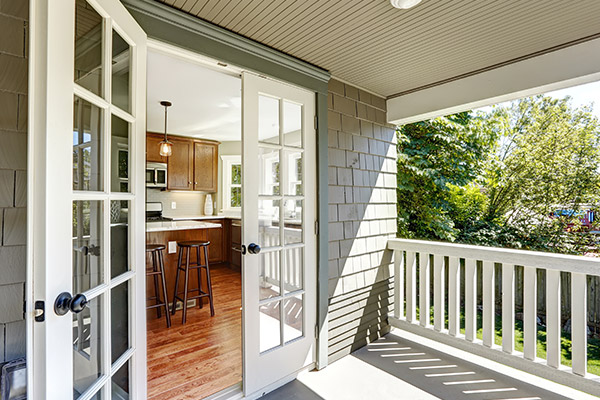
Beyond that, a smart material selection phase links performance to lifestyle and code obligations. Impact-rated glazing supports storm resilience and intrusion resistance, while low-e coatings moderate thermal gain. Frames in vinyl, aluminum, wood-clad, or fiberglass trade aesthetics for durability and maintenance. Meanwhile, door systems can complement fenestration, including options like Sliding Glass Doors installation or French door units that echo interior style. Verify compatibility with existing openings to reduce structural changes later.
Often the planning bottleneck is measurement accuracy. Precise field verification should capture rough openings, wall depths, sill conditions, and out-of-square variances. Documenting reveal sizes and mullion spacing helps determine whether retrofits or full-frame replacement makes sense. For heritage facades, Architectural Window Installation may require custom profiles, tempered by energy and wind-load demands. The goal is to sequence design details early so that units arrive aligned with site realities, limiting rework.
In practice, workflow clarity protects schedules. Agree on phasing room by room, set dust-control boundaries, and stage drop zones for delivered units. Stakeholders can buffer for inspection windows and weather delays, especially during storm season. Crews typically remove existing sashes, repair substrate defects, and then dry-fit new frames. Anchors, sealants, and flashing systems must be calibrated to the wall assembly—stucco, CMU, or frame—to sustain structural and moisture performance.
However, budgeting benefits from breaking costs into labor, materials, and contingencies. Window Installation and Replacement projects often see hidden conditions: decayed sills, misaligned headers, or prior patchwork. A modest reserve covers carpentry corrections and upgraded hardware without derailing timelines. Clarify which party handles permit fees, haul-away, and specialty finishes. Payment milestones tied to measurable progress—delivery, set-in-place, trim complete—help maintain transparency.
Meanwhile, compliance threads through every decision. Local wind-borne debris regions may demand specific product approvals and attachment schedules. Submittal packages should include cut sheets, fastener patterns, and glazing details for review. Inspectors will validate labels, anchorage, and flashing continuity. For coastal owners, Hurricane Impact Window Installation and compatible Impact Door Installation options align safety goals with code pathways, provided documentation is organized and accessible on site.
Then comes fit-and-finish refinement. Installers plumb, level, and square each unit, shimming to distribute loads evenly. Gaps are insulated to manage air exchange, followed by exterior sealants tooled for clean joints. Interior trim or returns hide transitions while maintaining serviceability. Sightlines should be consistent across elevations, and operable sashes must latch smoothly. A punch list capturing minor adjustments—screen fit, sill caps, and hardware tension—prevents small issues from lingering.
Beyond aesthetics, durability depends on proper water management. Pan flashing at sills, end dams, and head flashing redirect moisture outward, while weeps remain unblocked. Sealant joints require compatible chemistries and correct joint depth. For entry systems, consider thresholds and weatherstripping aligned to Fiberglass Entry Door installation approaches to manage wind-driven rain. Regularly inspect caulk and paint films, especially on sun-exposed elevations, and schedule touch-ups before seasonal extremes.
Finally, plan for long-term care. Establish a maintenance calendar covering cleaning methods, hardware lubrication, and gasket checks. Keep installation records, warranty terms, and serial labels in a single folder for future service calls. If expanding later, Double Entry Doors installation or additional bays can mirror existing specifications to maintain performance continuity. Thoughtful documentation shortens future lead times and supports consistent results across renovations.
Altogether, selecting the right partner is about process, not promises. Ask how teams stage, verify, and validate work at each phase, from submittals to final inspection. Request sample details for flashing and anchorage, and confirm who manages punch-list closeout. When product choices, schedule planning, and compliance are aligned, the project advances predictably, safeguarding comfort, energy performance, and resilience without unnecessary disruption.